

Blog

Milano Design Week: Selected Insights & This Feeling for Your Home
We are back from Milano Design Week, letting the impressions settle. Every year, Milan brings a specific energy, and this time was no different. We are still in the process of integrating the many gathered experiences, but one thing is clear: it was a year that emphasized natural materials, multisensory approaches, and a stronger focus on the relationship between people, space, and design. Moving between Salone del Mobile, Alcova, and locations such as Rossana Orlandi Gallery, certain tendencies became apparent: less neon, more nature; more multisensory installations and a recurring question about how we inhabit our world. At Studio Pollina, we translate these insights into a curated selection of distinctive objects, carefully sourced to fit each project. Here are our highlights and the "Milano flair" we want to bring into your space. Pani Jurek – Expression and Identity Pani Jurek presented a refined collection of playful ceramic objects, where color, material, and form come together in a highly expressive yet balanced way. From lighting to mirrors, these are expressive tools for adding identity and a splash of color to a space. Zieta Studio – Sculptural Reflection At Salone, Zieta Studio expanded its presence into lighting, showing how its signature blown metal surfaces interact with light. These iconic, mirrored forms are sculptural and simultaneously surprisingly light, adding a new layer of depth and atmosphere to any spatial context. Loope Furniture – Circularity and Innovation Loope remains firmly rooted in circular economy principles: quiet in form, but strong in attitude. The big news this year: a new collection developed in collaboration with Karim Rashid. It is a meeting of sustainability and contemporary design language with total clarity and intention. Special Note: The Karim Rashid x Loope collection will be in our shop soon, but you can enquire directly here to request it in advance. Beyond Function: Art & Modernism Our journey through Milan took us to the Visteria Foundation exhibition, where we revisited Polish modernist icons, including the RM58 armchair. This design remains highly relevant and is a proud part of our current selection. We were also drawn to a more object-driven perspective that goes beyond function to add a strong artistic layer to a space: Mati Sipiora: Offered a speculative, almost otherworldly environment, at times evoking the sensation of landing on Mars. Szymon Keller: Created objects that move fluidly between art and function, encouraging a more intuitive and tactile interaction. Bring the Milano Feeling Home What remains from Milan is a feeling that translates into rooms. Whether through a circular approach to furniture or a sculptural mirror that changes the light in a hallway, these pieces are now available and can be integrated directly into your projects. At Studio Pollina, we combine a well-defined portfolio with a conscious choice of what design should be: a relationship between human beings, space, and experience. [Browse the Full Milano Selection]
Erfahren Sie mehr
A Space in Constant Motion. The Opening of Studio Pollina
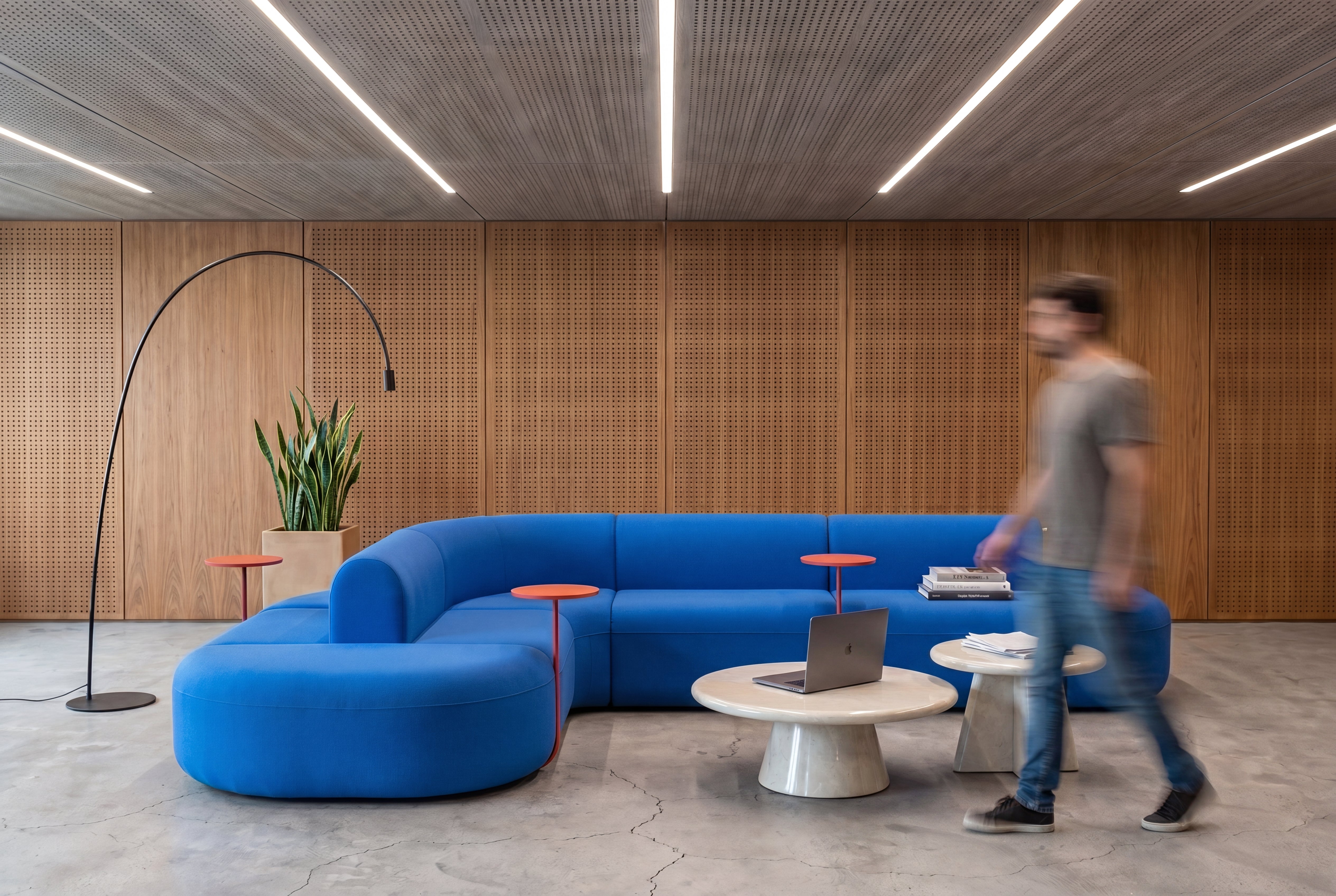
A physical space becomes real when people share it. Instead of a standard, static showroom, we designed Studio Pollina to be alive. We believe interior design is dynamic, and the spaces we create should reflect that. This idea is the foundation of our new home in Berlin, a concept built entirely on rotation, evolution, and constant movement. Our showroom is never truly "finished." It will change a few times a year to become an active platform for new ideas, styles, and conversations in the design community. The First Rotation: A Focus on Well-Being For our opening, we shaped the space around a sense of well-being. Colors, materials, plants, and objects were brought together to create an environment that feels both grounding and energising - intuitive, balanced, and alive. Our design builds on the bold, vibrant colors of the Studio Pollina identity, creating a strong contrast between raw, natural materials and bright, saturated tones. We deliberately moved away from the traditional “white box” showroom. Instead, we explore how a commercial space can feel warm, engaging, and genuinely comfortable to be in. Every detail in the showroom was carefully considered to support this atmosphere - brought to life together with our design partners. Curating the Experience: Our Design Partners Building Studio Pollina was only possible because we worked with brands that share our commitment to high quality, great details, and sustainable design. In this first rotation, we brought their work together to create a balanced, sensory environment. Surface, Light, and Sound The atmosphere of a space starts with the basics. We partnered with innovators who redefine walls, lighting, and acoustics: Jeger: Proving that walls do not have to be white, Jeger gave our space depth with textured clay finishes and strong colors, turning the basic walls into a warm background. Chors: A well-designed space needs comfortable lighting. Chors lit the showroom with minimalist lamps using advanced Sunlight Technology, helping you focus without tiring your eyes. Vank: The true feeling of a space is often what you cannot see. Using bio-based materials like flax, VANK creates acoustic solutions rooted in circular design - enhancing privacy and comfort in a natural, understated way Warmth and Living Systems Inside the room, we added functional furniture and grounded the space with beautiful wood: Balma: We integrated highly functional workspace furniture from Balma to provide a strong, practical foundation for the room. Plant Club: To bring these structures to life, Plant Club added seamless greenery. The plants do not just decorate the room; they grow directly within the furniture, letting the space truly breathe. Paged: To help balance our bright colors, we used wood in its absolute best form, showcasing the classic, durable bentwood craftsmanship from Paged. Hoom: We grounded the space further with Hoom, introducing their modern, solid wood designs that add a refined, contemporary warmth to the interior. Art and the Outdoors Art plays a huge role here, and we also wanted to connect our interior with the street outside: Zieta Studio & Pani Jurek: These brands elevate the whole showroom. The mirrored steel sculptures by Zieta Studio and the colorful ceramics by Pani Jurek catch the eye and give the space its unique character. Noo.ma: Noo.ma anchors the inside with a very comfortable signature sofa, while their outdoor pieces invite people in from the street. MDD: Our trusted long-time partner added smart, lightweight furniture outside, extending our welcoming vibe outdoors. An Opportunity for Synergy: Toi Toi Toi Creative Studio Studio Pollina is a creative hub. Sharing our home with the architects at Toi Toi Toi Creative Studio is a great opportunity for synergy. Our skills complement each other naturally, and they helped us perfectly arrange the layout and details of this showroom. The Opening: High Vibrations and Mindful Connection When it was time to celebrate our opening, we made an intentional, if slightly unpopular, choice: our event was completely alcohol-free. This decision matched our theme of Healing and a mindful approach. We wanted to keep the energy high and make sure every conversation was clear and present. Instead, we served mindful drinks from partners who represent the future of beverages: Falko Drinks: Straight from Warsaw, Falko offers a delicious, real alternative. They break stereotypes and provide high-quality drinks for a great, sober experience. BRLO: Representing Berlin's local spirit, BRLO is a craft brewery that mixes classic traditions with modern creativity. Fun fact: "BRLO" is an Old Slavic word, which beautifully connects their roots to ours. ROY Kombucha: A new generation of drinks, brewed in Berlin using a 2,000-year-old tradition. They make transparently produced organic kombucha full of vitamins—better for you and better for the planet. Italy, and the Sicilian way of life in particular, holds a very special place in our hearts. To reflect this warmth and sense of community, we designed our opening event not as a stiff reception, but as a casual, relaxed aperitivo. We wanted the food to perfectly match this inviting atmosphere, so we entrusted the flavors to The Sanctuary. They curated an incredible culinary experience that brought authentic, effortless Mediterranean energy right to our Berlin showroom. A Living Hub Studio Pollina is currently in its first version. It is designed as more than a showroom - a place to work, connect, and move ideas into real projects. You’re welcome to visit us at Pappelallee 10 in Berlin - meetings take place by appointment. Come experience the balance of color, texture, and atmosphere before it evolves into its next chapter. A space in constant motion. All photography by Two Shots
Erfahren Sie mehr
From NO WODKA to Studio Pollina: A Conscious Evolution
Just like in architecture, every transformation begins with a conscious decision. For over twelve years, NO WODKA was our identity, our foundation, and our connection to the design world. But over the past few months (and truthfully, long before that), a profound creative process has been developing in the background. Processes that require time, patience, and reflection are now ready to be seen. The next step became undeniable: NO WODKA is stepping back to make room for the future. We are incredibly proud to introduce Studio Pollina. The Radical Decision For two years, our physical space was in a state of suspension. It wasn't empty, but it wasn't evolving, there was no change, and no movement forward. It was a space waiting for its true purpose to be defined. During that time, we navigated countless ideas about who we could be, how we should function, and what our community truly needed. This transitional period was defined by an incredible atmosphere of mutual support and creative synergy. Ultimately, it led us to a radical but necessary decision: NO WODKA, in the form we all knew and loved, had to evolve. Everything has a meaning, and everything happens for a reason. Out of that suspension and reflection, Studio Pollina was born. To visually capture this shift, we entrusted the creation of our new visual identity to Maciej Mazur. His design perfectly embodies the exact clarity, structure, and elevated aesthetic that defines our new chapter. Translating this clarity into the digital realm was equally crucial. We collaborated with Merconic to create the complex structure of our new web shop that required to seamlessly integrate an immense and highly diverse range of products into one cohesive, intuitive platform. photo: Maria Antonina Bystrzycka Outgrowing the Frame: A Note from Our Founder Behind this evolution is a deeply personal journey. For our founder, Aleksandra, this transition represents a pivotal moment of professional and personal clarity: "This moment marked an important transition for me. After many years of building NO WODKA, it was time for a name that truly reflects who I have become as a founder. Growth doesn’t happen overnight. It’s a process. And at some point, you simply feel, you’ve outgrown your own frame. Today, I want to say thank you. To everyone who trusted us along the way. To the architects and partners we work with across different markets. To the manufacturers who build with us. To those who grew with us, project by project. The name changed. The heart of our work didn’t. We continue to create thoughtful spaces, long-term relationships, and strong partnerships with European furniture companies; from boutique production to large-scale projects. I’m truly grateful you’re here." Aleksandra What Studio Pollina Stands For Studio Pollina is built on thoughtful design, reliable partnerships, and a methodology shaped by comprehensive project experience. We are bringing: A New Approach: Collaboration as true equals. We operate not merely as a service provider, but as an active, dedicated project partner throughout the entire architectural and design process. Clear Focus: Our expertise remains dedicated to Workspaces, Hospitality, Healthcare, Residential, and Institutional spaces. This is driven by over a decade of experience, now expanded with fresh perspectives and impulses from diverse contexts. Grounded Roots, Expanded Horizons: Our roots remain deeply and proudly anchored in Polish design and craftsmanship. However, we are now consciously and selectively weaving inspirations from different countries into the continuous evolution of our portfolio. photo: TwoShots A Completely New Era The core remains, but the focus is sharper. This rebranding is not just a change of name; it is a complete transformation across every touchpoint. New Platform New Showroom New Communication New Projects New Brands We invite you to explore the first glimpses of this new era. The foundation is set, the vision is clear, and the doors are officially open. Follow our daily evolution and behind-the-scenes on Instagram: @studio.pollina
Erfahren Sie mehr
Before a guest notices the material, they feel the logic.
In conversation with Dawid Grausch - hospitality brand strategist working at the intersection of brand, experience and spatial strategy - we explore the precise moment when brand DNA begins to shape architecture, not as an aesthetic layer, but as structural thinking. With over 15 years of international experience, including his role as Brand Experience Director at PURO Hotels and earlier work with Design Hotels, Dawid operates where positioning meets space and operational reality. His perspective goes beyond visual identity - into circulation, hierarchy, service flow and the business logic behind spatial decisions. It all comes down to timing - introducing brand thinking early enough to influence how a place functions, feels and performs, long before materials and finishes enter the conversation. Noti, Bez gwiazdek Restaurant, Warsaw PL, Design: Studio Rysik, Photo:Anna Gudaniec 1. At which stage of the design process do decisions around brand DNA truly begin to shape architecture - rather than just its aesthetic layer? The shift happens at the concept definition stage - before any spatial layouts are fixed. If brand DNA is embedded only after schematic design, it becomes purely decorative. When introduced early, it informs the basics: hierarchy of spaces, degree of openness, circulation logic, even revenue mix. 2. In hospitality, what makes a space become a true carrier of the brand, instead of simply being a well-designed project? Consistency of decision-making logic. A branded space is not about repeating visual cues, but about aligning every layer - layout, lighting, acoustics, service touchpoints - with a clear idea of how the place should feel and operate. Guests rarely notice design elements individually, but they immediately sense coherence (or the lack of it). Paged, Hotel Hygge, Opole PL, Design: Fabrykart Agata Ferenc, Photo: Mikołaj Dąbrowski 3. Where do you most often see tension arise between brand vision, operational reality and guest experience - and how can this be anticipated at the concept stage? The biggest friction appears around service flow vs. spatial ambition - kitchens that look great but don’t work, lobbies that photograph well but don’t handle peak hours, or concepts that ignore staffing realities. This can be avoided early by mapping guest (and staff) journeys in parallel, and pressure-testing real scenarios before design is locked. 4. Can architecture influence brand perception as strongly as communication and marketing? If so, how? Yes, and often even more strongly, because it’s non-verbal and impossible to ignore. Architecture sets expectations instantly: scale, materials, proportions, and transitions between spaces communicate positioning quicker than any campaign. It defines how a brand feels before a single word is read. Pani Jurek, Colliers International headquarter, Warsaw, PL photo: Moodauthors 5. As a hospitality strategist who travels extensively - what spatial elements instantly build your trust in a place, and what makes you decide not to return? Trust comes from a balance of clarity and the right kind of friction - spaces that are intuitive, but also create small, intentional moments of interaction or surprise. What breaks it is the opposite kind of friction: unclear arrival, mixed signals, or spaces designed to look good rather than actually work. Photo: Wiktor Franko Dawid Grausch is a hospitality strategist working at the intersection of brand, experience and spatial strategy. He helps hotels, residential projects, and F&B concepts define clear positioning and translate it into consistent guest experiences that hold together commercially. With over 15 years in the industry, he previously served as Brand Experience Director at PURO Hotels, leading brand development, new openings, and international expansion. Earlier, he worked at Design Hotels, focusing on digital communication and brand storytelling across global markets. He is a graduate of Hotelschool The Hague.
Erfahren Sie mehr
5 pflegeleichte Büropflanzen für einen lebendigen Arbeitsplatz
Man muss kein Gartenprofi sein, um einen üppigen Büro-Dschungel zu erhalten. Gemäß den Prinzipien des synästhetischen Designs – bei dem Tastsinn, Sehvermögen und sogar subtile Düfte eine Rolle spielen – empfehlen wir diese robusten, pflegeleichten Optionen, die auch unter anspruchsvollen Bürobedingungen gut gedeihen: Top-Tipps für Ihren Büro-Dschungel Zamioculcas (ZZ-Pflanze): Bekannt für ihre wachsartigen, dunkelgrünen Blätter, kommt sie auch mit wenig Licht zurecht und benötigt nur minimal Wasser – perfekt für ruhige Ecken oder Flure. Sansevieria (Bogenhanf): Ein Meister der Luftreinigung, der Ihrem Bürolayout ein markantes vertikales Architekturelement hinzufügt. Epipremnum Aureum (Efeutute): Ihre herabhängenden Ranken verleihen Bücherregalen oder den Oberseiten von Akustikkabinen wie denen von MUTE oder MDD eine weiche, organische Textur. Monstera Deliciosa: Mit ihren charakteristischen, „gelochten“ Blättern setzt sie ein markantes visuelles Statement in Empfangsbereichen oder großen Foyers. Spathiphyllum (Friedenslilie): Neben ihren eleganten weißen Blüten eignet sie sich hervorragend zur Regulierung der Luftfeuchtigkeit in Innenräumen und signalisiert, wann sie Wasser benötigt. Um die Grüne Revolution vollumfänglich zu nutzen, sollten Pflanzen mit den passenden Möbeln und Materialien kombiniert werden, um ein funktionales, lebendiges Umfeld zu schaffen: Den richtigen Weg finden: Sorgen Sie für die passende Beleuchtung Ihrer „Grünzonen“. Pflanzen benötigen zwar natürliches Licht, doch Marken wie Chors bieten Technologien, die das natürliche Lichtspektrum imitieren und so sowohl Ihre Pflanzen als auch den Biorhythmus Ihres Teams unterstützen. Funktionale Integration: Nutzen Sie Grünpflanzen als natürliche, "weiche" Raumteiler neben modularen Sofasystemen wie Omu von Noti oder Artiko von MDD, um private, entspannende Zonen für Begegnungen zu schaffen. Haptische Harmonie: Durch die Kombination der üppigen Texturen von Grünpflanzen mit ergonomischen, hochwertigen Möbeln von Marken wie Balma, Paged oder 366 Concept schaffen Sie einen Raum, der wahrhaftig atmet.
Erfahren Sie mehr
Synästhetisches Design. Die Architektur der Sinne im Streben nach Wohlbefinden.
Modernes Interior Design überschreitet die Grenzen reiner Ästhetik. Heute soll ein Raum nicht nur schön aussehen, sondern auch die Emotionen des Nutzers ansprechen und das Nervensystem ganzheitlich stimulieren. Synästhetisches Design ist ein Ansatz, der Sehen, Hören, Tasten und sogar Riechen einbezieht und sich zum neuen Standard für die Gestaltung von Umgebungen entwickelt, die die Lebensqualität und Funktionalität deutlich verbessern. Ob Büro, öffentlicher Raum oder Privathaus – multisensorisches Design ermöglicht eine effizientere Raumnutzung und erhöht gleichzeitig den Komfort. Hier erfahren Sie, wie Sie alle Sinne ansprechen. 1. Büros: Licht und Akustik im Dienste der Konzentration Im Berufsleben besteht die größte Herausforderung darin, Effizienz und Komfort in Einklang zu bringen. Hier sind einige wichtige Aspekte, die Sie bei der Bürogestaltung berücksichtigen sollten. Lichtdynamik : Kühles, weißes Licht fördert die Konzentration in aufgabenorientierten Bereichen. Umgekehrt steigert wärmeres, entspannendes Licht in Ruhebereichen wie Küchen oder Wohnzimmern das Wohlbefinden. Die Architektur des Klangs : Schallabsorbierende Paneele an Decken und Wänden tragen zur Geräuschdämmung in Großraumbüros bei. Teppiche und Vorhänge reduzieren den Nachhall und ermöglichen so eine bessere Konzentration. Für maximale Konzentration bieten sich Akustikkabinen von Marken wie MDD oder MUTE an. Alternativ können Sie Akustiktrennwände nutzen, um die Raumaufteilung zu optimieren und gleichzeitig die Klangqualität zu verbessern. Haptik und Duft : Glatte Holzschreibtische und ergonomische Stühle mit weichen Rückenlehnen, wie sie beispielsweise von Balma angeboten werden, schaffen eine produktivitätsfördernde Umgebung. Ergänzt wird dies durch Düfte: Zitrusaromen in Konferenzräumen regen die Kreativität an, während sanfte Düfte in Ruhezonen den Mitarbeitern helfen, abzuschalten. 2. Öffentliche Räume: Ein erster Eindruck, kodiert in den Sinnen Öffentliche Räume wie Foyers, Wartezimmer und Galerien sind der Ort, an dem der erste Eindruck eines Besuchers geprägt wird. Visuelle Anziehungskraft : In Wartebereichen schafft sanftes, warmes Licht eine entspannende Atmosphäre. In Foyers oder Galerien hebt dynamische Beleuchtung die Architektur hervor und setzt die gewünschte Stimmung. Spezielle Technologien wie die Sonnenlichttechnologie von Chors imitieren natürliches Licht und erzeugen einen kyrkadischen Rhythmus. Einzigartige Objekte von Zieta Studio reflektieren Licht und Raum und schaffen so ein wahrhaft einzigartiges ästhetisches Erlebnis. Taktiler Komfort : Wartebereiche sollten mit weichen, aber strapazierfähigen Materialien wie Polstermöbeln, warmem Holz oder Naturstein ausgestattet sein. Modulare Sofasysteme wie Omu von Noti oder Artiko von MDD eignen sich für große Foyers und schaffen vielfältige Zonen für Interaktion und Komfort. Sensorische Harmonie : Akustikpaneele und Teppiche reduzieren Stress durch Geräuschdämpfung. 3. Arztpraxen: Beruhigendes Design Bei der Gestaltung von Kliniken und Arztpraxen dient Synästhesie in erster Linie dazu, Stress und Angstzustände bei den Patienten zu minimieren. Visuelle und auditive Therapie : Helles, aber sanftes Licht und Pastellfarben an den Wänden reduzieren Anspannung. Ruhige klassische Musik oder Naturgeräusche, wie zum Beispiel Meeresrauschen, helfen Patienten, sich vor ihrem Termin zu entspannen. Haptische Unterstützung : Ergonomische Stühle und warme Materialien wie Holz anstelle von kaltem Metall verbessern das Wohlbefinden der Patienten. Marken wie Balma und Noti bieten stilvolle Lösungen für funktionale Räume. In Praxen mit eher intimer, wohnlicher Atmosphäre fördern klassische Holzmöbel von 366 Concept – beispielsweise ein Zweisitzer mit Bouclé- Bezug – tiefe Entspannung. 4. Das Zuhause: Harmonie für den Alltag Synästhetisches Design trägt dazu bei, ein Wohnumfeld zu schaffen, das sowohl Ruhe als auch Konzentration fördert, insbesondere im Zeitalter des Homeoffice. Stimmungsadaptive Beleuchtung : Schlafzimmer und Ruhezonen profitieren von sanftem, warmem Licht. Im Homeoffice fördert kühleres, helleres Licht die Konzentration. Lampen wie die von Chors mit einstellbarer Farbtemperatur ermöglichen es Ihnen, das Licht an die Tageszeit anzupassen. Alltagshaptik : Glatte Holzoberflächen und einzigartige Stücke wie handgefertigte Tische von Alineform und weiche Stoffe fördern die Entspannung. Ergonomische Stühle mit ansprechender Ästhetik von Paged schaffen einen gemütlichen Raum und halten jahrelang. Synästhetisches Design ist kein Luxus, sondern ein bewusstes Werkzeug zur Gestaltung des menschlichen Wohlbefindens.
Erfahren Sie mehr
Gestaltung eines harmonischen Ökosystems – Eine Investition in die Menschen
Im Bestreben nach synästhetischem Design, bei dem alle Sinne zur Steigerung des Wohlbefindens einbezogen werden, sticht ein Element als transformative Kraft hervor: die Biophilie. Modernes Interior Design entwickelt sich weg von kalter, steriler Ästhetik hin zu einer „Grünen Revolution“, die die Gesundheit und Produktivität des Teams in den Mittelpunkt stellt. Wussten Sie, dass 86 % der Angestellten angeben, dass Pflanzen einen positiven Einfluss auf ihr Arbeitsumfeld haben? Die Integration von Grünpflanzen ist längst nicht mehr nur eine dekorative Entscheidung, sondern eine strategische Investition in das Wohlbefinden der Mitarbeiter am Arbeitsplatz. Pflanzen sind mehr als nur Dekoration; sie sind eine strategische Investition in die Gesundheit, das Wohlbefinden und die Produktivität Ihres Teams. In einem Büro, das die Synästhetik fördert, senkt die Präsenz von Natur Stress, verbessert die Luftqualität und schafft ein Wohlbefinden, das „kalte“ Materialien allein nicht erreichen können. Die Vorteile eines grünen Arbeitsplatzes Die Integration von Pflanzen in die Bürogestaltung schafft ein multisensorisches Erlebnis, das mehrere funktionale Bedürfnisse erfüllt: Verbesserte Luftqualität: Pflanzen wirken als natürliche Filter, erfrischen die Luft und schaffen eine gesündere Atmosphäre für lange Arbeitszeiten. Weniger Ermüdung: Es hat sich gezeigt, dass die Anwesenheit von Natur die Müdigkeit verringert und den Mitarbeitern hilft, ihr Energieniveau den ganzen Tag über aufrechtzuerhalten. Räumliche Flexibilität: Nutzen Sie Pflanzen als flexible Raumteiler zwischen Arbeitsplätzen, Lounge-Bereichen oder Schreibtischen. Das Loopo-Pflanzensystem von Bujnie bietet zahlreiche Konfigurationsmöglichkeiten, um sich Ihren individuellen Arbeitsplatzbedürfnissen anzupassen. Gesteigerte Kreativität und Entspannung: Eine grüne Umgebung fördert ein Gefühl der Ruhe, sodass der Geist zur Ruhe kommen und sein kreatives Potenzial entfalten kann. Akustische Unterstützung: Ähnlich wie Akustikpaneele oder Teppiche können große, blattreiche Pflanzen dazu beitragen, den Lärm zu dämpfen und die Nachhallzeit in Großraumbüros zu reduzieren. Materialinnovation: Für einen hybriden Ansatz verwendet VANK Akustikpaneele aus einem natürlichen Hanf-Verbundwerkstoff zur Herstellung modularer Akustikwände, wodurch Nachhaltigkeit mit Schallschutz verbunden wird. Ein wahrhaft synästhetisches Büro nutzt Pflanzen, um funktionale Probleme wie Lärm und Beleuchtung zu lösen. Durch die Kombination von Pflanzen mit ergonomischen Möbeln entsteht ein Arbeitsplatz, der nicht nur schön aussieht, sondern auch für die Menschen, die ihn nutzen, optimal funktioniert.
Erfahren Sie mehr