

Blog

Milano Design Week: Selected Insights & This Feeling for Your Home
We are back from Milano Design Week, letting the impressions settle. Every year, Milan brings a specific energy, and this time was no different. We are still in the process of integrating the many gathered experiences, but one thing is clear: it was a year that emphasized natural materials, multisensory approaches, and a stronger focus on the relationship between people, space, and design. Moving between Salone del Mobile, Alcova, and locations such as Rossana Orlandi Gallery, certain tendencies became apparent: less neon, more nature; more multisensory installations and a recurring question about how we inhabit our world. At Studio Pollina, we translate these insights into a curated selection of distinctive objects, carefully sourced to fit each project. Here are our highlights and the "Milano flair" we want to bring into your space. Pani Jurek – Expression and Identity Pani Jurek presented a refined collection of playful ceramic objects, where color, material, and form come together in a highly expressive yet balanced way. From lighting to mirrors, these are expressive tools for adding identity and a splash of color to a space. Zieta Studio – Sculptural Reflection At Salone, Zieta Studio expanded its presence into lighting, showing how its signature blown metal surfaces interact with light. These iconic, mirrored forms are sculptural and simultaneously surprisingly light, adding a new layer of depth and atmosphere to any spatial context. Loope Furniture – Circularity and Innovation Loope remains firmly rooted in circular economy principles: quiet in form, but strong in attitude. The big news this year: a new collection developed in collaboration with Karim Rashid. It is a meeting of sustainability and contemporary design language with total clarity and intention. Special Note: The Karim Rashid x Loope collection will be in our shop soon, but you can enquire directly here to request it in advance. Beyond Function: Art & Modernism Our journey through Milan took us to the Visteria Foundation exhibition, where we revisited Polish modernist icons, including the RM58 armchair. This design remains highly relevant and is a proud part of our current selection. We were also drawn to a more object-driven perspective that goes beyond function to add a strong artistic layer to a space: Mati Sipiora: Offered a speculative, almost otherworldly environment, at times evoking the sensation of landing on Mars. Szymon Keller: Created objects that move fluidly between art and function, encouraging a more intuitive and tactile interaction. Bring the Milano Feeling Home What remains from Milan is a feeling that translates into rooms. Whether through a circular approach to furniture or a sculptural mirror that changes the light in a hallway, these pieces are now available and can be integrated directly into your projects. At Studio Pollina, we combine a well-defined portfolio with a conscious choice of what design should be: a relationship between human beings, space, and experience. [Browse the Full Milano Selection]
Learn more
A Space in Constant Motion. The Opening of Studio Pollina
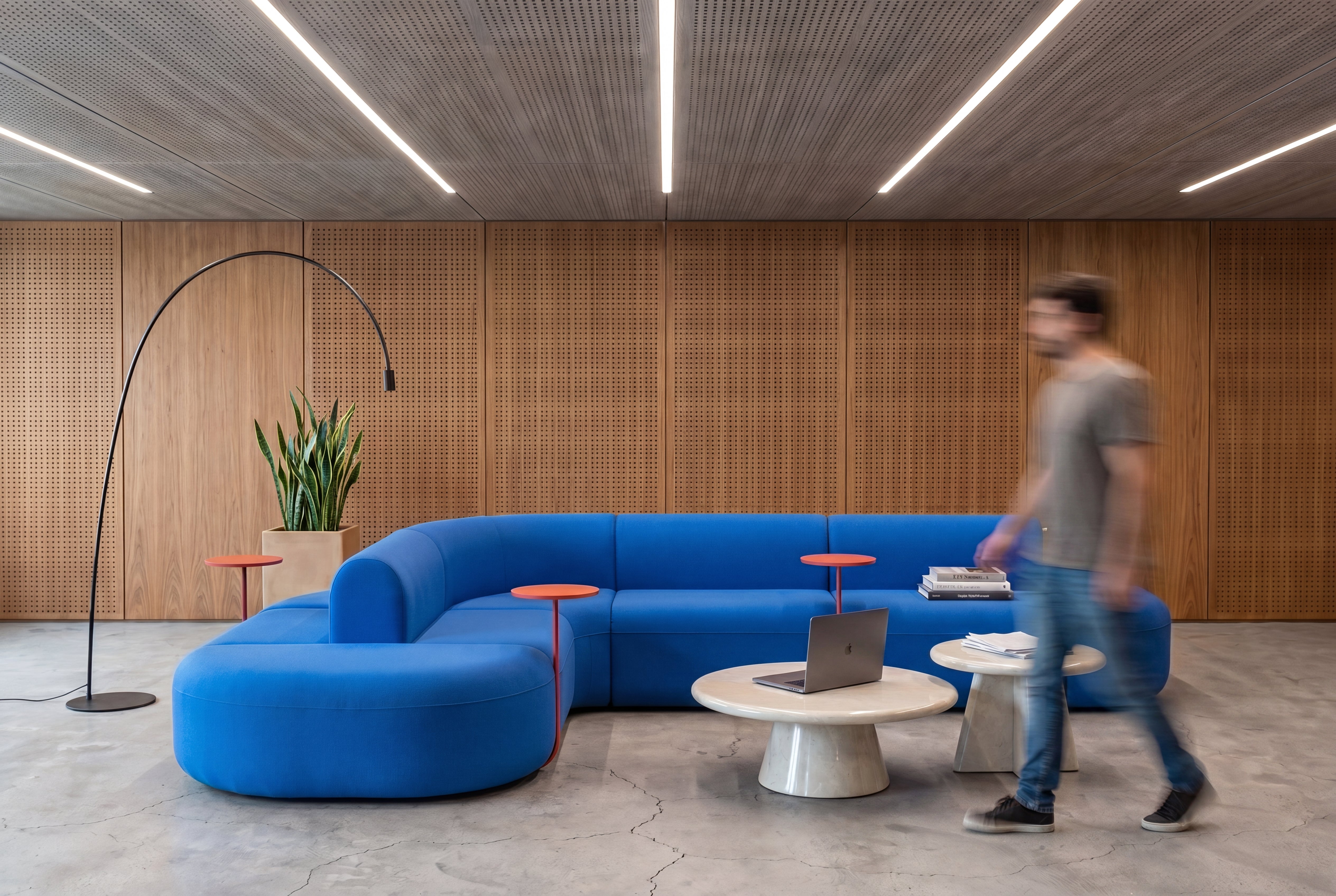
A physical space becomes real when people share it. Instead of a standard, static showroom, we designed Studio Pollina to be alive. We believe interior design is dynamic, and the spaces we create should reflect that. This idea is the foundation of our new home in Berlin, a concept built entirely on rotation, evolution, and constant movement. Our showroom is never truly "finished." It will change a few times a year to become an active platform for new ideas, styles, and conversations in the design community. The First Rotation: A Focus on Well-Being For our opening, we shaped the space around a sense of well-being. Colors, materials, plants, and objects were brought together to create an environment that feels both grounding and energising - intuitive, balanced, and alive. Our design builds on the bold, vibrant colors of the Studio Pollina identity, creating a strong contrast between raw, natural materials and bright, saturated tones. We deliberately moved away from the traditional “white box” showroom. Instead, we explore how a commercial space can feel warm, engaging, and genuinely comfortable to be in. Every detail in the showroom was carefully considered to support this atmosphere - brought to life together with our design partners. Curating the Experience: Our Design Partners Building Studio Pollina was only possible because we worked with brands that share our commitment to high quality, great details, and sustainable design. In this first rotation, we brought their work together to create a balanced, sensory environment. Surface, Light, and Sound The atmosphere of a space starts with the basics. We partnered with innovators who redefine walls, lighting, and acoustics: Jeger: Proving that walls do not have to be white, Jeger gave our space depth with textured clay finishes and strong colors, turning the basic walls into a warm background. Chors: A well-designed space needs comfortable lighting. Chors lit the showroom with minimalist lamps using advanced Sunlight Technology, helping you focus without tiring your eyes. Vank: The true feeling of a space is often what you cannot see. Using bio-based materials like flax, VANK creates acoustic solutions rooted in circular design - enhancing privacy and comfort in a natural, understated way Warmth and Living Systems Inside the room, we added functional furniture and grounded the space with beautiful wood: Balma: We integrated highly functional workspace furniture from Balma to provide a strong, practical foundation for the room. Plant Club: To bring these structures to life, Plant Club added seamless greenery. The plants do not just decorate the room; they grow directly within the furniture, letting the space truly breathe. Paged: To help balance our bright colors, we used wood in its absolute best form, showcasing the classic, durable bentwood craftsmanship from Paged. Hoom: We grounded the space further with Hoom, introducing their modern, solid wood designs that add a refined, contemporary warmth to the interior. Art and the Outdoors Art plays a huge role here, and we also wanted to connect our interior with the street outside: Zieta Studio & Pani Jurek: These brands elevate the whole showroom. The mirrored steel sculptures by Zieta Studio and the colorful ceramics by Pani Jurek catch the eye and give the space its unique character. Noo.ma: Noo.ma anchors the inside with a very comfortable signature sofa, while their outdoor pieces invite people in from the street. MDD: Our trusted long-time partner added smart, lightweight furniture outside, extending our welcoming vibe outdoors. An Opportunity for Synergy: Toi Toi Toi Creative Studio Studio Pollina is a creative hub. Sharing our home with the architects at Toi Toi Toi Creative Studio is a great opportunity for synergy. Our skills complement each other naturally, and they helped us perfectly arrange the layout and details of this showroom. The Opening: High Vibrations and Mindful Connection When it was time to celebrate our opening, we made an intentional, if slightly unpopular, choice: our event was completely alcohol-free. This decision matched our theme of Healing and a mindful approach. We wanted to keep the energy high and make sure every conversation was clear and present. Instead, we served mindful drinks from partners who represent the future of beverages: Falko Drinks: Straight from Warsaw, Falko offers a delicious, real alternative. They break stereotypes and provide high-quality drinks for a great, sober experience. BRLO: Representing Berlin's local spirit, BRLO is a craft brewery that mixes classic traditions with modern creativity. Fun fact: "BRLO" is an Old Slavic word, which beautifully connects their roots to ours. ROY Kombucha: A new generation of drinks, brewed in Berlin using a 2,000-year-old tradition. They make transparently produced organic kombucha full of vitamins—better for you and better for the planet. Italy, and the Sicilian way of life in particular, holds a very special place in our hearts. To reflect this warmth and sense of community, we designed our opening event not as a stiff reception, but as a casual, relaxed aperitivo. We wanted the food to perfectly match this inviting atmosphere, so we entrusted the flavors to The Sanctuary. They curated an incredible culinary experience that brought authentic, effortless Mediterranean energy right to our Berlin showroom. A Living Hub Studio Pollina is currently in its first version. It is designed as more than a showroom - a place to work, connect, and move ideas into real projects. You’re welcome to visit us at Pappelallee 10 in Berlin - meetings take place by appointment. Come experience the balance of color, texture, and atmosphere before it evolves into its next chapter. A space in constant motion. All photography by Two Shots
Learn more
From NO WODKA to Studio Pollina: A Conscious Evolution
Just like in architecture, every transformation begins with a conscious decision. For over twelve years, NO WODKA was our identity, our foundation, and our connection to the design world. But over the past few months (and truthfully, long before that), a profound creative process has been developing in the background. Processes that require time, patience, and reflection are now ready to be seen. The next step became undeniable: NO WODKA is stepping back to make room for the future. We are incredibly proud to introduce Studio Pollina. The Radical Decision For two years, our physical space was in a state of suspension. It wasn't empty, but it wasn't evolving, there was no change, and no movement forward. It was a space waiting for its true purpose to be defined. During that time, we navigated countless ideas about who we could be, how we should function, and what our community truly needed. This transitional period was defined by an incredible atmosphere of mutual support and creative synergy. Ultimately, it led us to a radical but necessary decision: NO WODKA, in the form we all knew and loved, had to evolve. Everything has a meaning, and everything happens for a reason. Out of that suspension and reflection, Studio Pollina was born. To visually capture this shift, we entrusted the creation of our new visual identity to Maciej Mazur. His design perfectly embodies the exact clarity, structure, and elevated aesthetic that defines our new chapter. Translating this clarity into the digital realm was equally crucial. We collaborated with Merconic to create the complex structure of our new web shop that required to seamlessly integrate an immense and highly diverse range of products into one cohesive, intuitive platform. photo: Maria Antonina Bystrzycka Outgrowing the Frame: A Note from Our Founder Behind this evolution is a deeply personal journey. For our founder, Aleksandra, this transition represents a pivotal moment of professional and personal clarity: "This moment marked an important transition for me. After many years of building NO WODKA, it was time for a name that truly reflects who I have become as a founder. Growth doesn’t happen overnight. It’s a process. And at some point, you simply feel, you’ve outgrown your own frame. Today, I want to say thank you. To everyone who trusted us along the way. To the architects and partners we work with across different markets. To the manufacturers who build with us. To those who grew with us, project by project. The name changed. The heart of our work didn’t. We continue to create thoughtful spaces, long-term relationships, and strong partnerships with European furniture companies; from boutique production to large-scale projects. I’m truly grateful you’re here." Aleksandra What Studio Pollina Stands For Studio Pollina is built on thoughtful design, reliable partnerships, and a methodology shaped by comprehensive project experience. We are bringing: A New Approach: Collaboration as true equals. We operate not merely as a service provider, but as an active, dedicated project partner throughout the entire architectural and design process. Clear Focus: Our expertise remains dedicated to Workspaces, Hospitality, Healthcare, Residential, and Institutional spaces. This is driven by over a decade of experience, now expanded with fresh perspectives and impulses from diverse contexts. Grounded Roots, Expanded Horizons: Our roots remain deeply and proudly anchored in Polish design and craftsmanship. However, we are now consciously and selectively weaving inspirations from different countries into the continuous evolution of our portfolio. photo: TwoShots A Completely New Era The core remains, but the focus is sharper. This rebranding is not just a change of name; it is a complete transformation across every touchpoint. New Platform New Showroom New Communication New Projects New Brands We invite you to explore the first glimpses of this new era. The foundation is set, the vision is clear, and the doors are officially open. Follow our daily evolution and behind-the-scenes on Instagram: @studio.pollina
Learn more
Before a guest notices the material, they feel the logic.
In conversation with Dawid Grausch - hospitality brand strategist working at the intersection of brand, experience and spatial strategy - we explore the precise moment when brand DNA begins to shape architecture, not as an aesthetic layer, but as structural thinking. With over 15 years of international experience, including his role as Brand Experience Director at PURO Hotels and earlier work with Design Hotels, Dawid operates where positioning meets space and operational reality. His perspective goes beyond visual identity - into circulation, hierarchy, service flow and the business logic behind spatial decisions. It all comes down to timing - introducing brand thinking early enough to influence how a place functions, feels and performs, long before materials and finishes enter the conversation. Noti, Bez gwiazdek Restaurant, Warsaw PL, Design: Studio Rysik, Photo:Anna Gudaniec 1. At which stage of the design process do decisions around brand DNA truly begin to shape architecture - rather than just its aesthetic layer? The shift happens at the concept definition stage - before any spatial layouts are fixed. If brand DNA is embedded only after schematic design, it becomes purely decorative. When introduced early, it informs the basics: hierarchy of spaces, degree of openness, circulation logic, even revenue mix. 2. In hospitality, what makes a space become a true carrier of the brand, instead of simply being a well-designed project? Consistency of decision-making logic. A branded space is not about repeating visual cues, but about aligning every layer - layout, lighting, acoustics, service touchpoints - with a clear idea of how the place should feel and operate. Guests rarely notice design elements individually, but they immediately sense coherence (or the lack of it). Paged, Hotel Hygge, Opole PL, Design: Fabrykart Agata Ferenc, Photo: Mikołaj Dąbrowski 3. Where do you most often see tension arise between brand vision, operational reality and guest experience - and how can this be anticipated at the concept stage? The biggest friction appears around service flow vs. spatial ambition - kitchens that look great but don’t work, lobbies that photograph well but don’t handle peak hours, or concepts that ignore staffing realities. This can be avoided early by mapping guest (and staff) journeys in parallel, and pressure-testing real scenarios before design is locked. 4. Can architecture influence brand perception as strongly as communication and marketing? If so, how? Yes, and often even more strongly, because it’s non-verbal and impossible to ignore. Architecture sets expectations instantly: scale, materials, proportions, and transitions between spaces communicate positioning quicker than any campaign. It defines how a brand feels before a single word is read. Pani Jurek, Colliers International headquarter, Warsaw, PL photo: Moodauthors 5. As a hospitality strategist who travels extensively - what spatial elements instantly build your trust in a place, and what makes you decide not to return? Trust comes from a balance of clarity and the right kind of friction - spaces that are intuitive, but also create small, intentional moments of interaction or surprise. What breaks it is the opposite kind of friction: unclear arrival, mixed signals, or spaces designed to look good rather than actually work. Photo: Wiktor Franko Dawid Grausch is a hospitality strategist working at the intersection of brand, experience and spatial strategy. He helps hotels, residential projects, and F&B concepts define clear positioning and translate it into consistent guest experiences that hold together commercially. With over 15 years in the industry, he previously served as Brand Experience Director at PURO Hotels, leading brand development, new openings, and international expansion. Earlier, he worked at Design Hotels, focusing on digital communication and brand storytelling across global markets. He is a graduate of Hotelschool The Hague.
Learn more
5 Easy-to-Care-For Office Plants for a Living Workspace
You don’t need to be an expert gardener to maintain a thriving office jungle. To align with the principles of synesthetic design—where touch, sight, and even subtle scents matter—we recommend these hardy, low-maintenance options that thrive in demanding office conditions: Top Picks for Your Office Jungle Zamioculcas (ZZ Plant): Known for its waxy, deep green leaves, it survives in low light and requires minimal watering—perfect for quiet corners or hallways. Sansevieria (Snake Plant): A champion of air purification that adds a strong vertical architectural element to your office layout. Epipremnum Aureum (Pothos): Its cascading vines add a soft, organic texture to bookshelves or the tops of acoustic booths like those from MUTE or MDD. Monstera Deliciosa: With its iconic "holey" leaves, it creates a bold visual statement in reception areas or large foyers. Spathiphyllum (Peace Lily): Beyond its elegant white blooms, it is excellent at regulating indoor humidity and signaling when it needs water. To fully embrace the Green Revolution, plants should be paired with the right furniture and materials to create a functional, living environment: Lighting the Way: Ensure your "green zones" are supported by appropriate lighting. While plants need natural light, brands like Chors offer sunlight technology that imitates the natural spectrum, supporting both your plants and your team's circadian rhythm. Functional Integration: Use greenery as natural "soft" dividers alongside modular sofa systems like Omu by Noti, or Artiko by MDD to create private, relaxing zones for interaction. Haptic Harmony: By combining the lush textures of greenery with ergonomic, high-quality furniture from brands like Balma, Paged, or 366 Concept, you create a space that truly breathes.
Learn more
Synesthetic Design. The Architecture of Senses in the Pursuit of Well-being.
Modern interior design is transcending the boundaries of pure aesthetics. Today, a space should not merely "look" beautiful; it must resonate with the user’s emotions and stimulate the nervous system holistically. Synesthetic design is an approach involving sight, sound, touch, and even smell, becoming the new standard for creating environments that significantly improve quality of life and functionality. Whether you are designing an office, a public space, or a private home, multisensory design allows for a more effective use of space while enhancing user comfort. Here is how to design with all senses in mind. 1. Offices: Light and Acoustics in the Service of Focus In a professional environment, the primary challenge is balancing efficiency with comfort. Here are some key elements you should think of while designing an office. Lighting Dynamics: Cool, white light promotes concentration in task-oriented zones. Conversely, warmer, relaxing light in rest areas like kitchens or lounges improves well-being. The Architecture of Sound: Sound-absorbing panels on ceilings and walls help silence open-space offices. Carpets and curtains reduce reverberation, allowing for deeper focus. For maximum concentration, consider acoustic booths from brands like MDD or MUTE, or use acoustic partitions to organize the layout while improving sound quality. Haptics and Scent: Smooth wooden desks and ergonomic chairs with soft backrests, such as those offered by Balma, create an environment conducive to productivity. This is complemented by scent: citrus aromas in conference rooms stimulate creativity, while gentle fragrances in relaxation zones help employees reset. 2. Public Spaces: A First Impression Coded in the Senses Public spaces like foyers, waiting rooms, and galleries are where a visitor's first impression is forged. Visual Magnetism: In waiting areas, soft, warm light creates a relaxing atmosphere. In foyers or galleries, dynamic lighting highlights the architecture and sets the mood. Special technologies like the sunlight technology from Chors imitates natural light, wspomaga cyrcadian rhythm. Unique Objects from Zieta Studio reflect light and space to create a truly unique aesthetic experience. Tactile Comfort: Waiting areas should utilize soft yet durable materials like upholstered seating, warm wood, or natural stone. Modular sofa systems like Omu by Noti or Artiko by MDD can fill large foyers, creating diverse zones for interaction and comfort. Sensory Harmony: Acoustic panels and carpets reduce stress by dampening noise. 3. Medical Offices: Design that Calms In the design of clinics and medical practices, synesthesia serves primarily to minimize patient stress and anxiety. Visual and Auditory Therapy: Bright but soft lighting and pastel wall colors reduce tension. Quiet classical music or nature sounds, such as the ocean, help patients relax before their appointment. Haptic Support: Ergonomic chairs and warm materials like wood instead of cold metal improve patient well-being. Brands like Balma and Noti offer stylish solutions for functional spaces. If a practice has a more intimate, home-like character, classic wooden pieces from 366 Concept—such as a 2-seater in Bouclé upholstery—encourage deep relaxation. 4. The Home: Harmony for Daily Life Synesthetic design helps create a home environment that supports both rest and focus, particularly in the era of the home office. Mood-Adaptive Lighting: Bedrooms and relaxation zones benefit from soft, warm light. In a home office, cooler, brighter light supports concentration. Lamps like those from Chors with adjustable color temperatures allow you to adapt the light to the time of day. Everyday Haptics: Smooth wooden surfaces and one of a kind pieces like craftsmanship tables from Alineform and soft fabrics promote relaxation. Ergonomic chairs withjoutz sacifacing aesthetic from Paged creates cozy space and last for years Synesthetic design is not a luxury; it is a conscious tool for shaping human well-being.
Learn more
Designing a Harmonious Ecosystem - An Investment in People
In the pursuit of synesthetic design, where every sense is engaged to enhance well-being, one element stands out as a transformative force: biophilia. Modern interior design is moving beyond cold, sterile aesthetics toward a "Green Revolution" that prioritizes the health and productivity of the team. Did you know that 86% of employees report that plants have a positive impact on their work environment? Integrating greenery is no longer just a decorative choice; it is a strategic investment in the human experience within the workspace. Plants are more than decoration, they are a strategic investment in your team’s health, comfort, and productivity. In a synesthetic office, the presence of nature lowers stress, improves air quality, and fosters a sense of well-being that "cold" materials cannot achieve alone. The Benefits of a Green Workspace Integrating plants into your office design creates a multisensory experience that addresses several functional needs: Improved Air Quality: Plants act as natural filters, refreshing the air and creating a healthier atmosphere for long hours of work. Reduced Fatigue: The presence of nature has been shown to decrease tiredness, helping staff maintain energy levels throughout the day. Spatial Fluidity: Use greenery as flexible dividers between workstations, lounge areas, or desks. The Loopo plant system by Bujnie provides numerous configurations to adapt to your specific workspace needs. Enhanced Creativity and Relaxation: A green environment fosters a sense of calm, allowing the mind to destress and unlock creative potential. Acoustic Support: Much like acoustic panels or carpets, large leafy plants can help dampen noise and reduce reverberation in open-plan offices. Material Innovation: For a hybrid approach, acoustic panels from VANK utilize a natural hemp composite to produce modular acoustic walls, blending sustainability with sound control. A truly synesthetic office uses greenery to solve functional problems like noise and lighting. By pairing plants with ergonomic furniture you create a workspace that doesn't just look beautiful but works for the people inside it.
Learn more